
If you have a child (young or old) who has been put on antipsychotic medication or institutionalized due to OCD, paranoia, extreme memory loss, excessive feelings of guilt or despair, confusion, seizures, etc., please consider that your child’s symptoms could be related to an injury, exposure, infection or even an undiagnosed cancer.
Mental Illness is an all-encompassing name that really misses the mark, in my opinion.
I believe that a large number of the conditions that fall under the “mental illness” category are, in reality, brain health and or immune system issues. The root cause just needs to be found.
Instead of being quick to label patients as mentally ill and write prescriptions or institutionalize them, medical practitioners need to think critically and outside of the box.
What could be off in the brain and the rest of the body contributing to these symptoms?
Could something be attacking or weakening the brain? (Toxic mold is a big one here, but doctors refuse to listen!)
Could something have injured or continually be harming the brain? (A NeuroQuant Brain MRI may be a helpful diagnostic tool in this case.)
What is this patient’s living and working environment? Are they being exposed to toxicants?
Has the patient had a recent infection?
Has cancer or a hidden infection been ruled out? (Running tumor markers for suspected cancer should be standard practice, as should immunologic tests.)
Labeling people, especially children with XYZ mental disorder, after a 20-minute appointment just doesn’t make sense. Why? Simple answer. The root cause is often missed, and the patient loses the opportunity to get appropriate treatment and attain healing.
I have so much more to say on this topic, but for now, I’ll close with a recent article from Today.com. I want you to read through it and then imagine what would have happened if this young woman’s suggested diagnosis of a mental illness wasn’t questioned. Where would she be now? What quality of life would she have?
For our children and for our future generations, we must do better!!
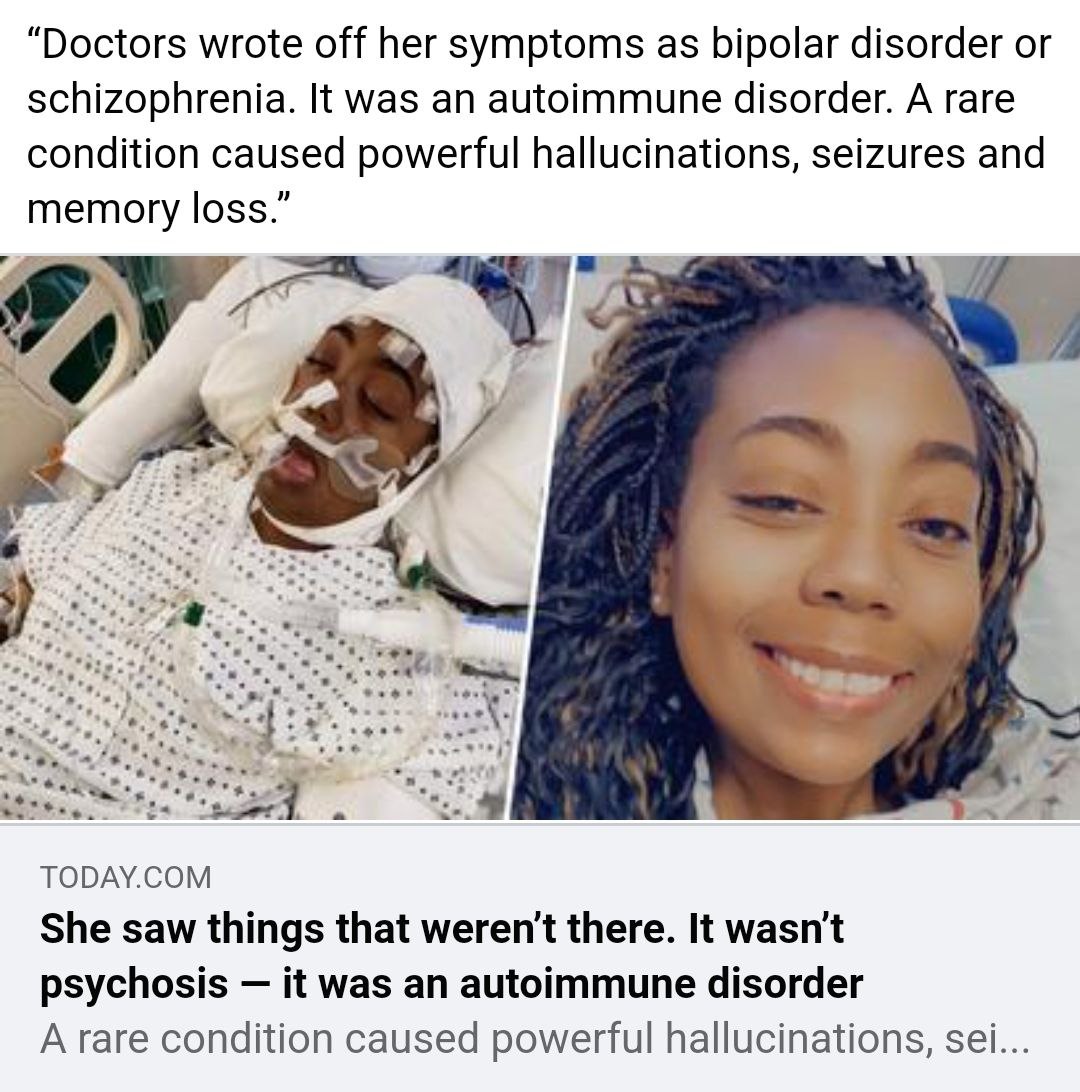
>McDonald was taken to the psychiatric ward of a local hospital and ultimately sent home. “They wanted to write this off as bipolar or schizophrenia,” McDonald recalls.
>Imaging tests as well as blood tests and a spinal tap confirmed that something else was going on: McDonald didn’t have a mental health condition — she had developed a rare, severe brain disease called autoimmune encephalitis.
>In McDonald’s case, undiagnosed ovarian tumors set off her immune system’s alarm bells and caused her body to produce antibodies in response to proteins present in the tumors
>But those proteins aren’t just found in the tumors, he says, they’re also found in the brain. So when the antibodies spread to her brain, they attacked those normal brain proteins, Benavides explains.
>This causes encephalitis, a type of brain inflammation that leads to symptoms like those McDonald experienced, such as hallucinations, seizures and confusion. At its most severe, autoimmune encephalitis can be fatal, Benavides says.
>Autoimmune encephalitis is actually a group of conditions, which are differentiated based on the type of antibodies the body produces or the location of inflammation in the brain.
Click here to continue reading the article sighted above.
Because your health and the health of your family matters,
Chemical Free Gal
*As always, nothing in this post or in other posts on chemicalfreegal.com is intended to be medical advice. The information is shared solely for educational purposes.

 Chemical Free Gal
Leave a comment